Sara Kahanamoku, PhD
anthropocene paleoecologist
I am an Assistant Researcher and Early Career Research Fellow with the School of Ocean and Earth Sciences and Technology at the University of Hawaiʻi at Mānoa, housed in the Hawaiʻi Sea Grant College Program. I hold a cooperating graduate faculty appointment in the Department of Earth Sciences.
I am a paleoecologist and paleoceanographer who combines insights from high-resolution marine fossil records with modern ocean observations to understand how short-term marine ecosystem changes propogate into eco-evolutionary regime shifts. I am particularly interested in placing the anthropocene - the informal period over the past several decades to centuries with outsized human-driven environmental changes - into longer-term geologic context.
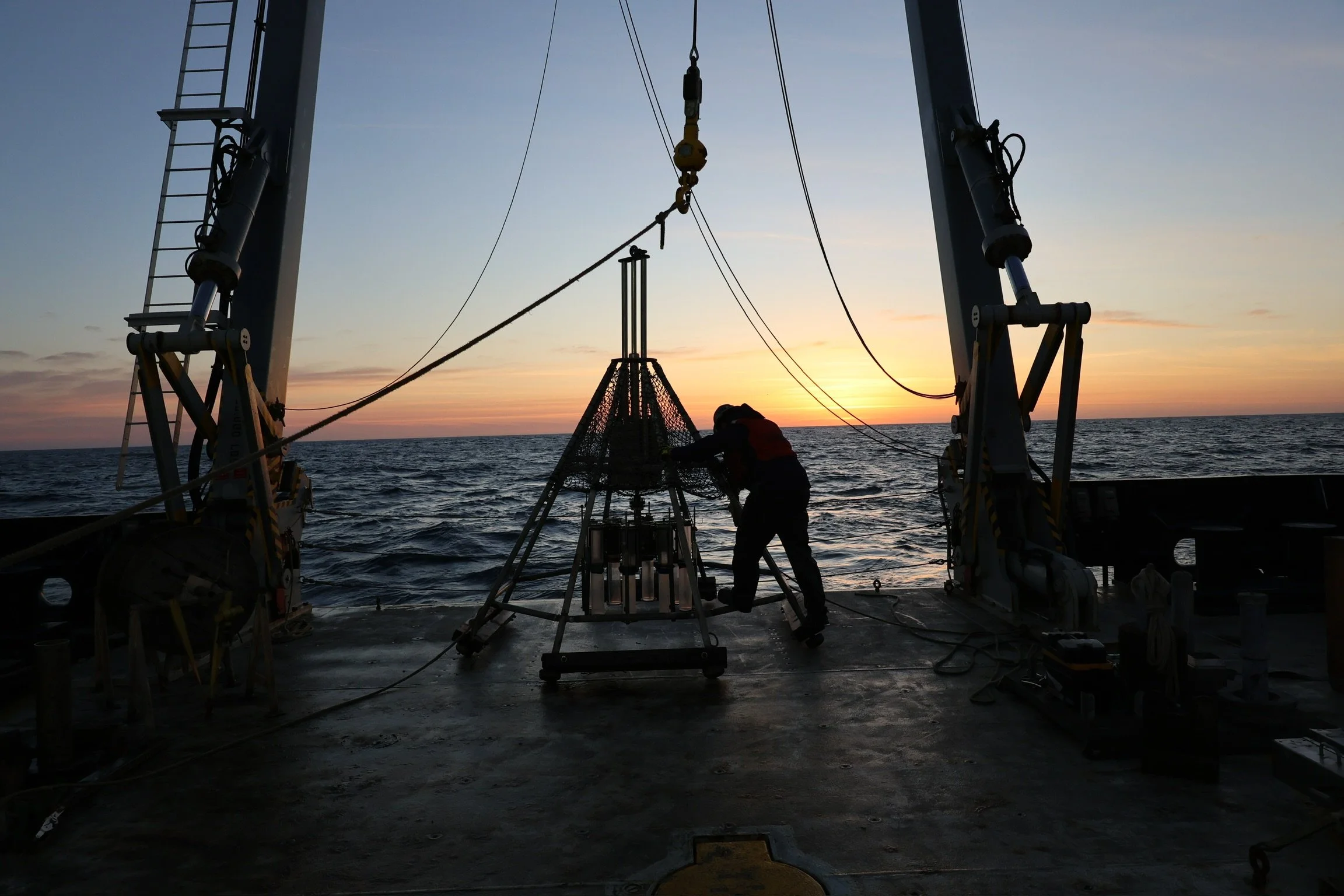
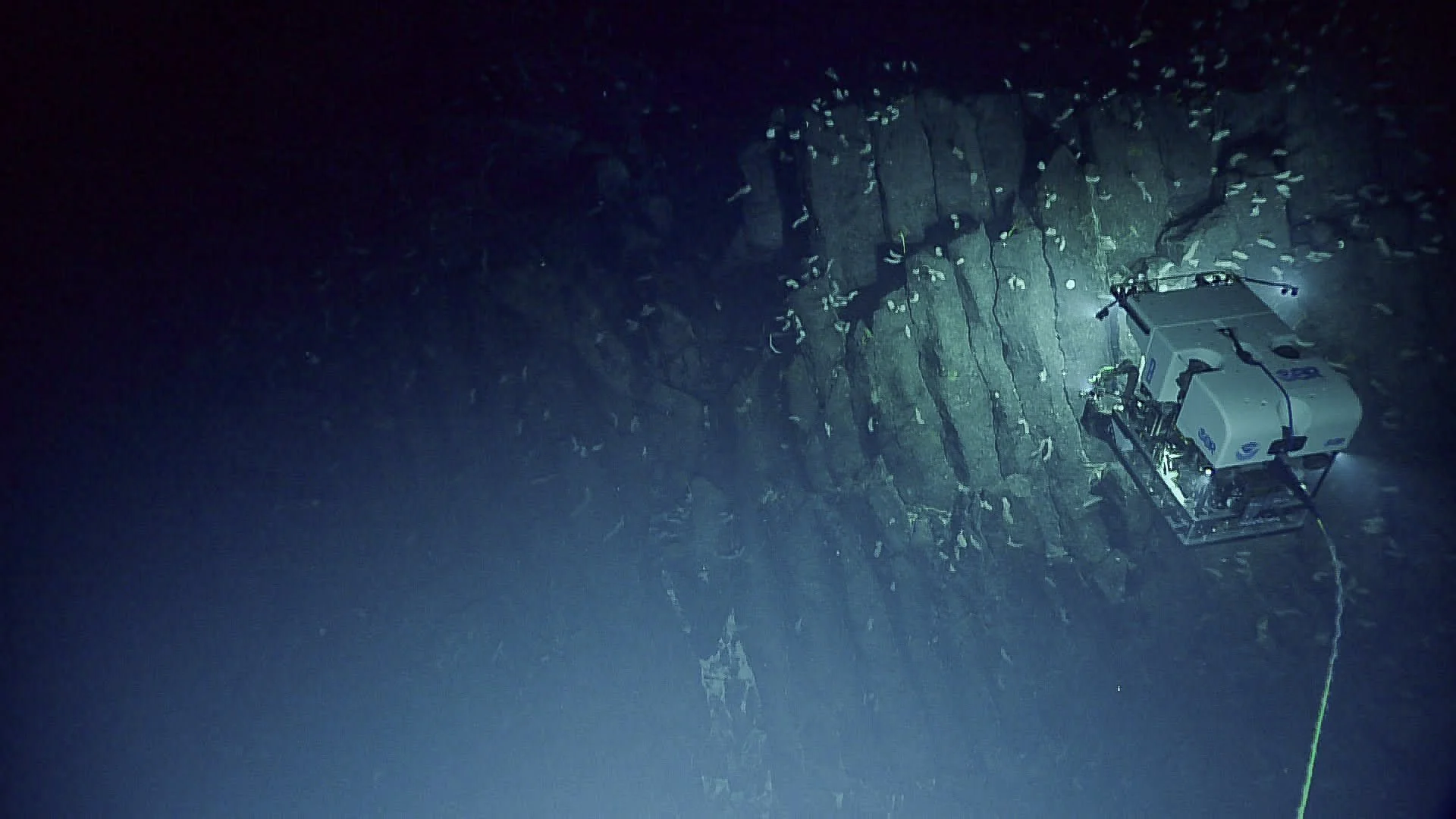
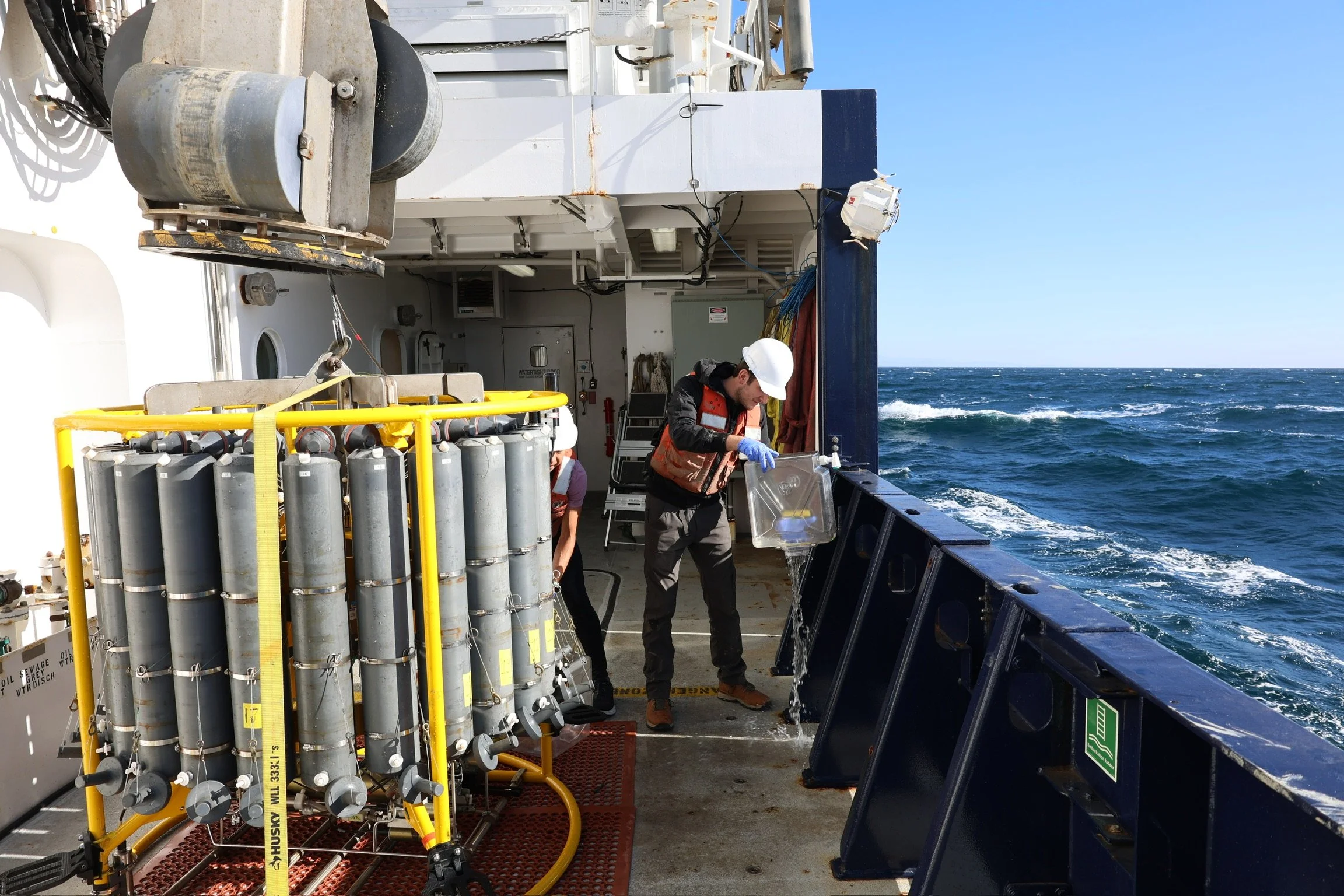
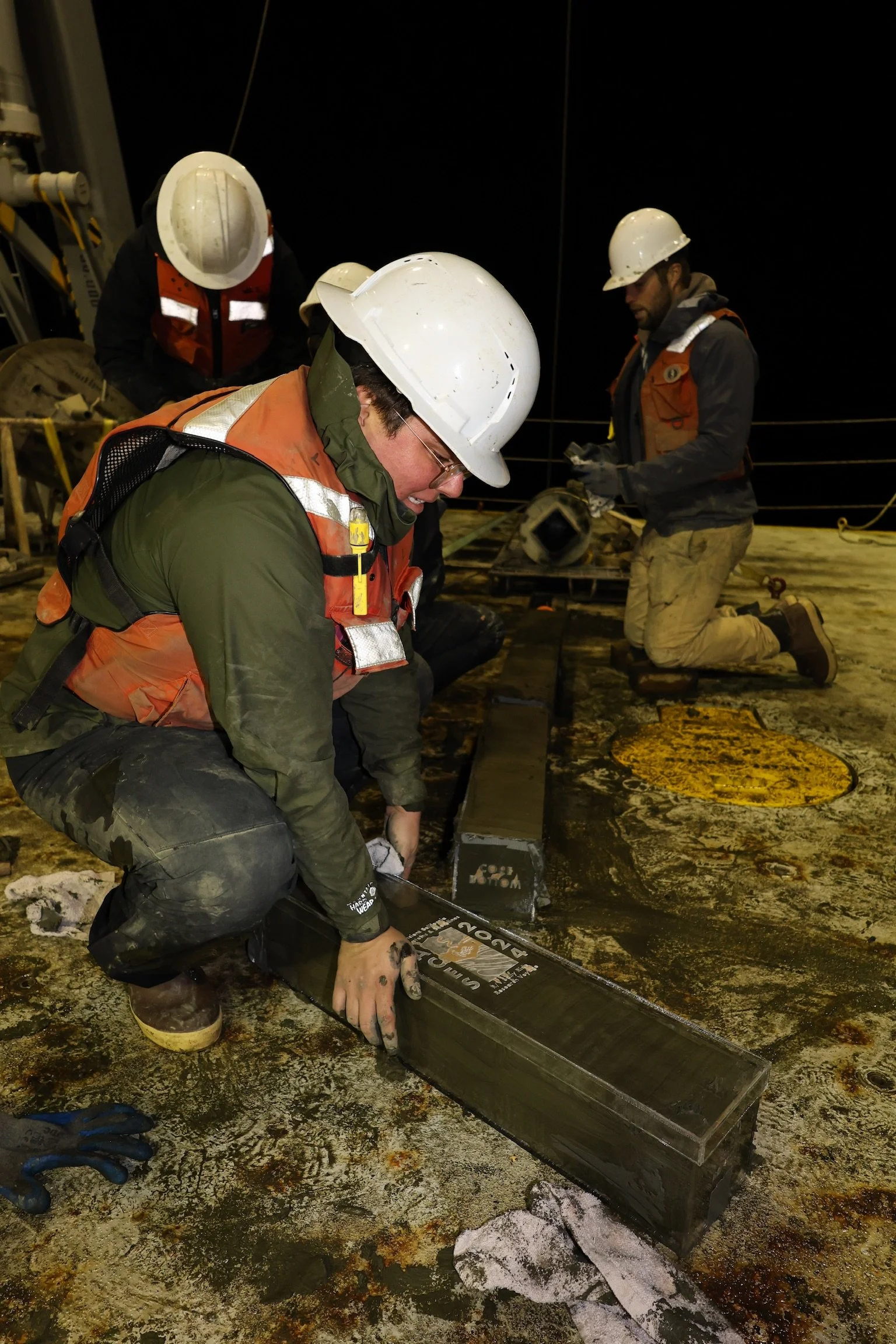
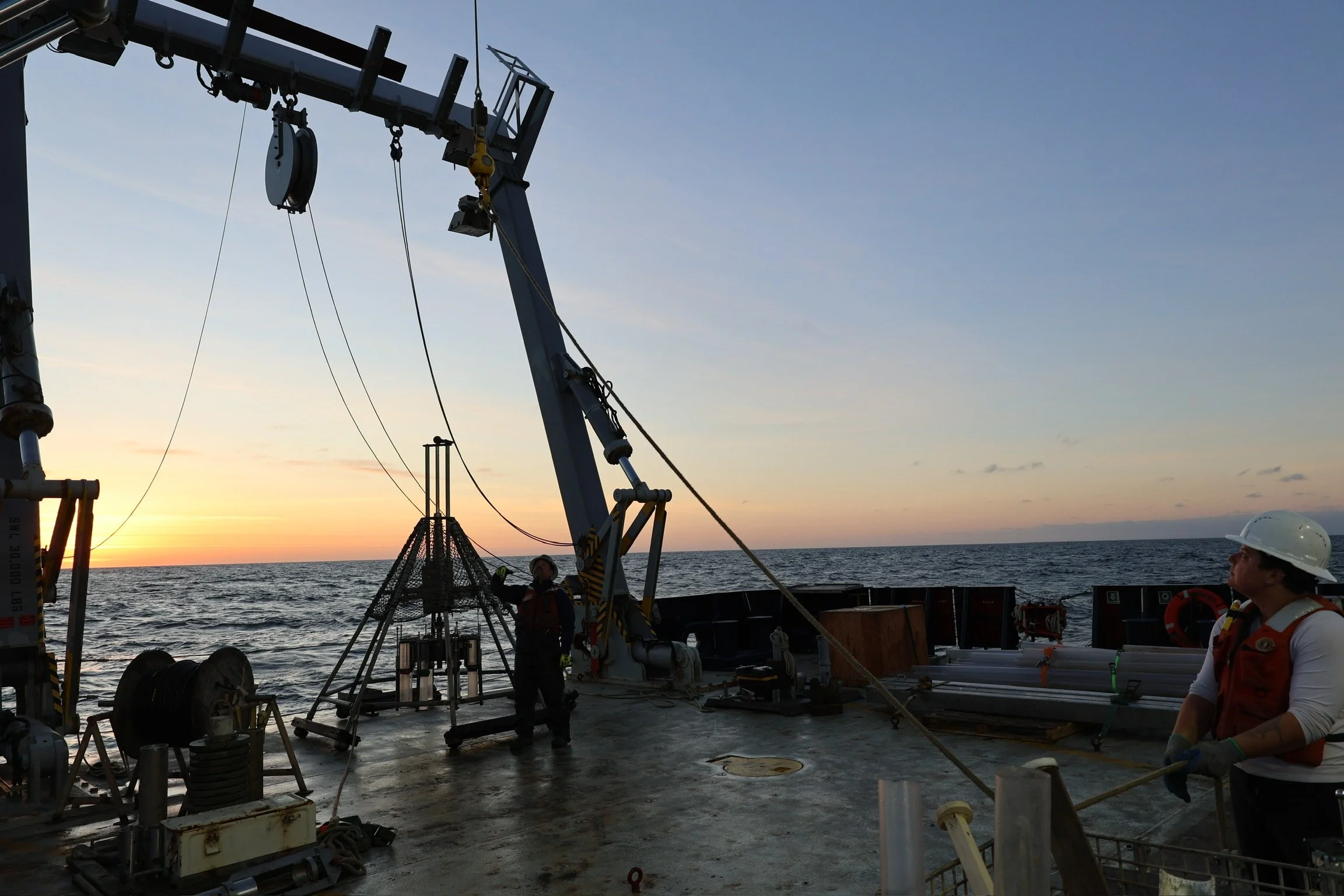
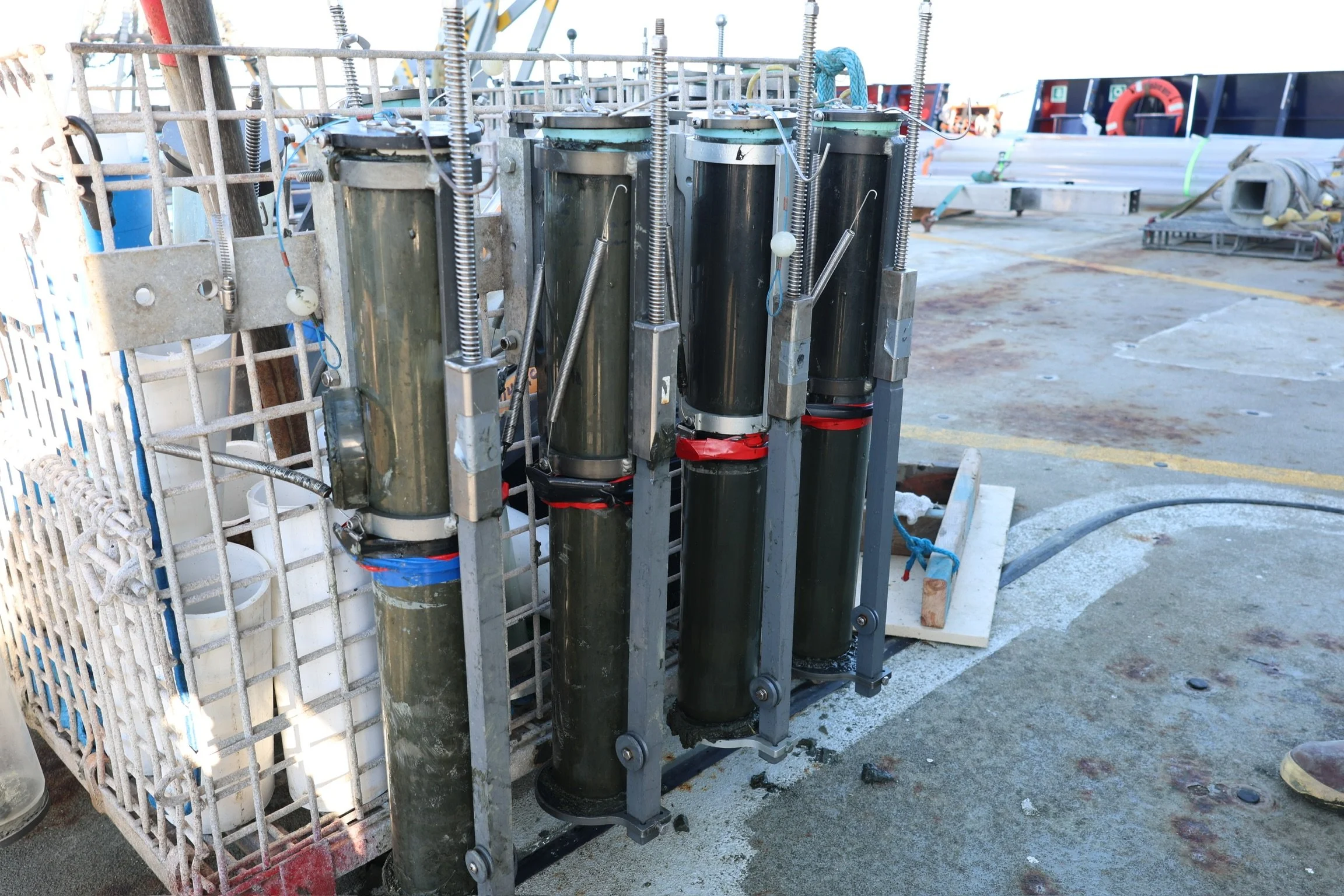
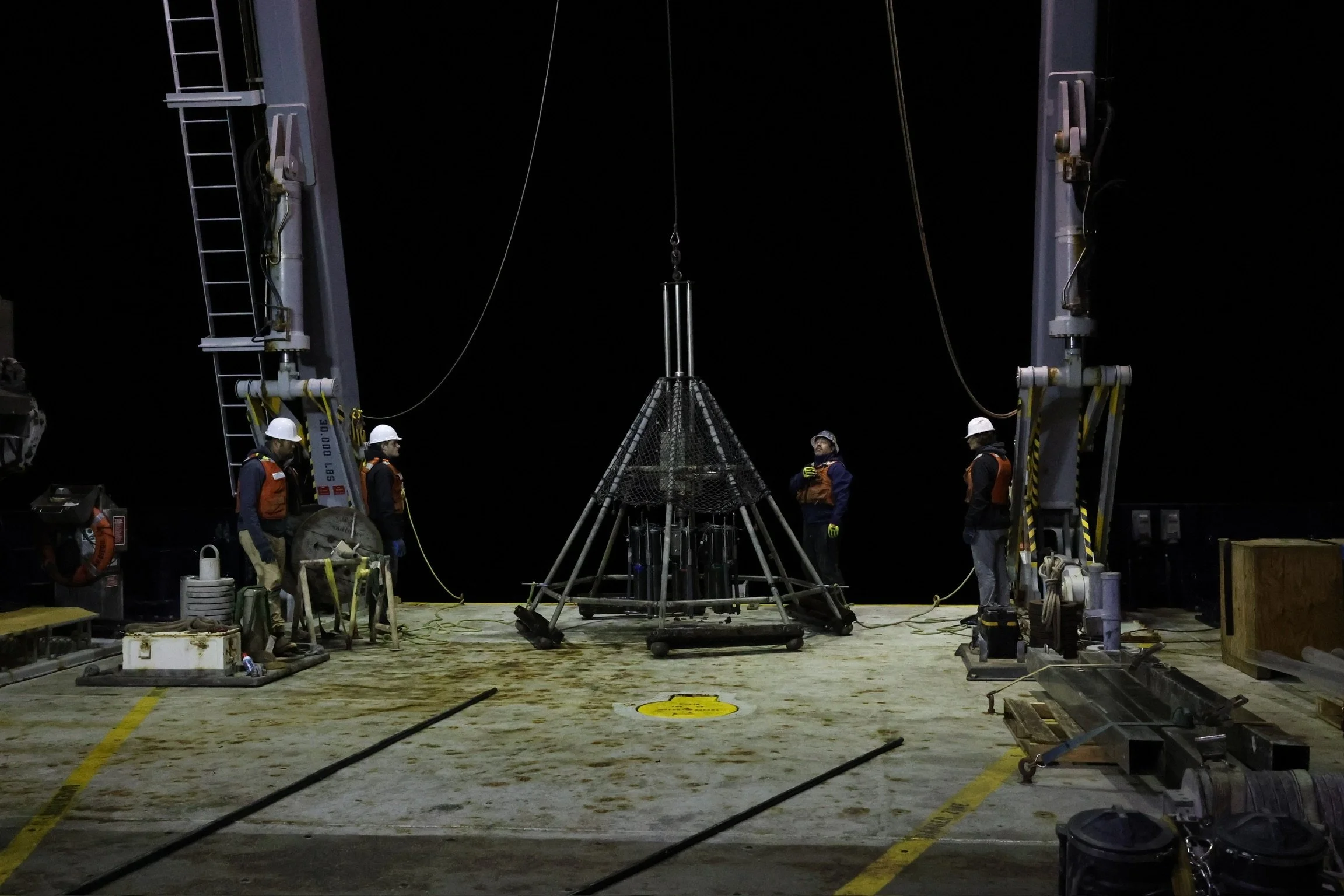
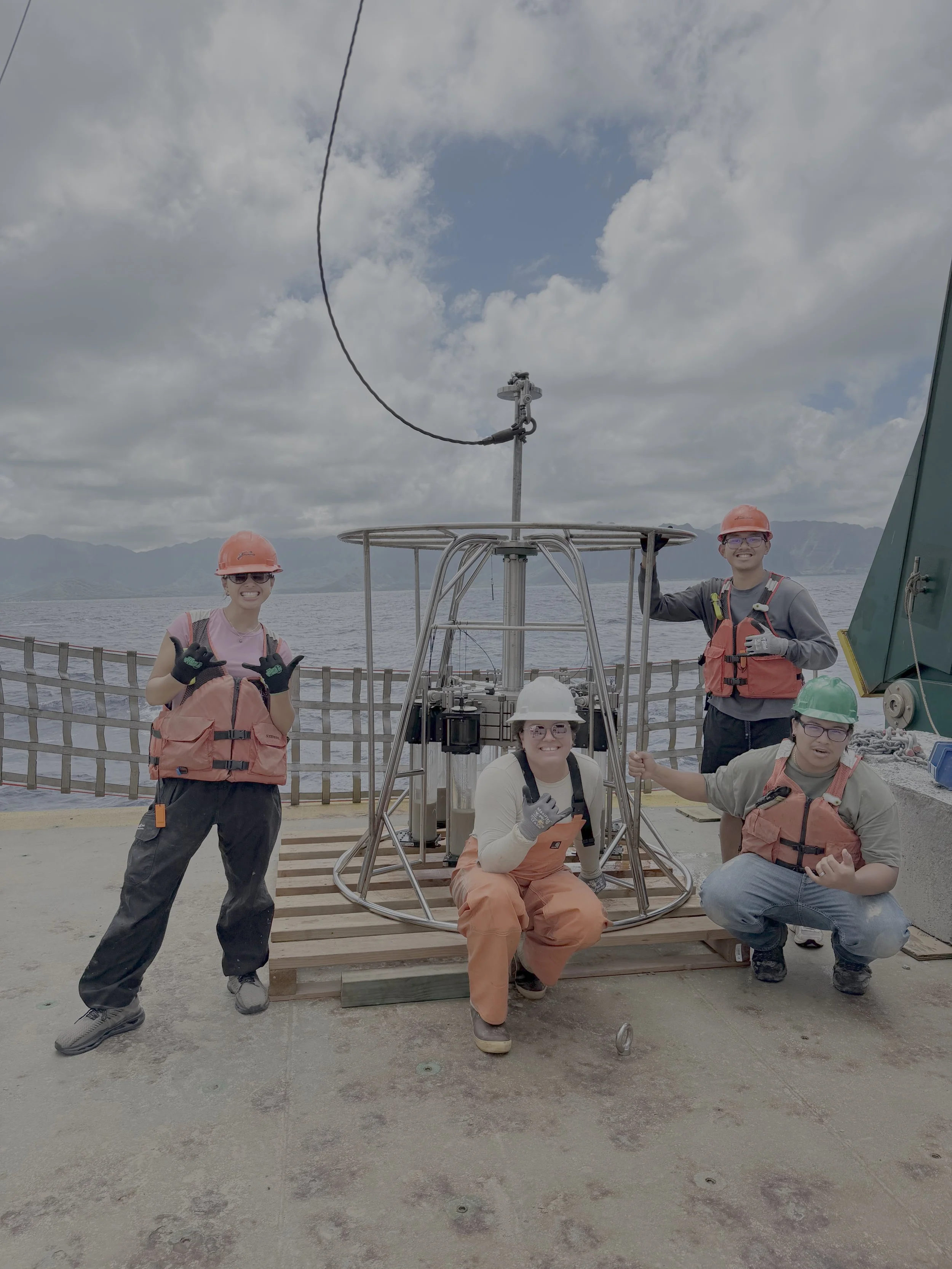
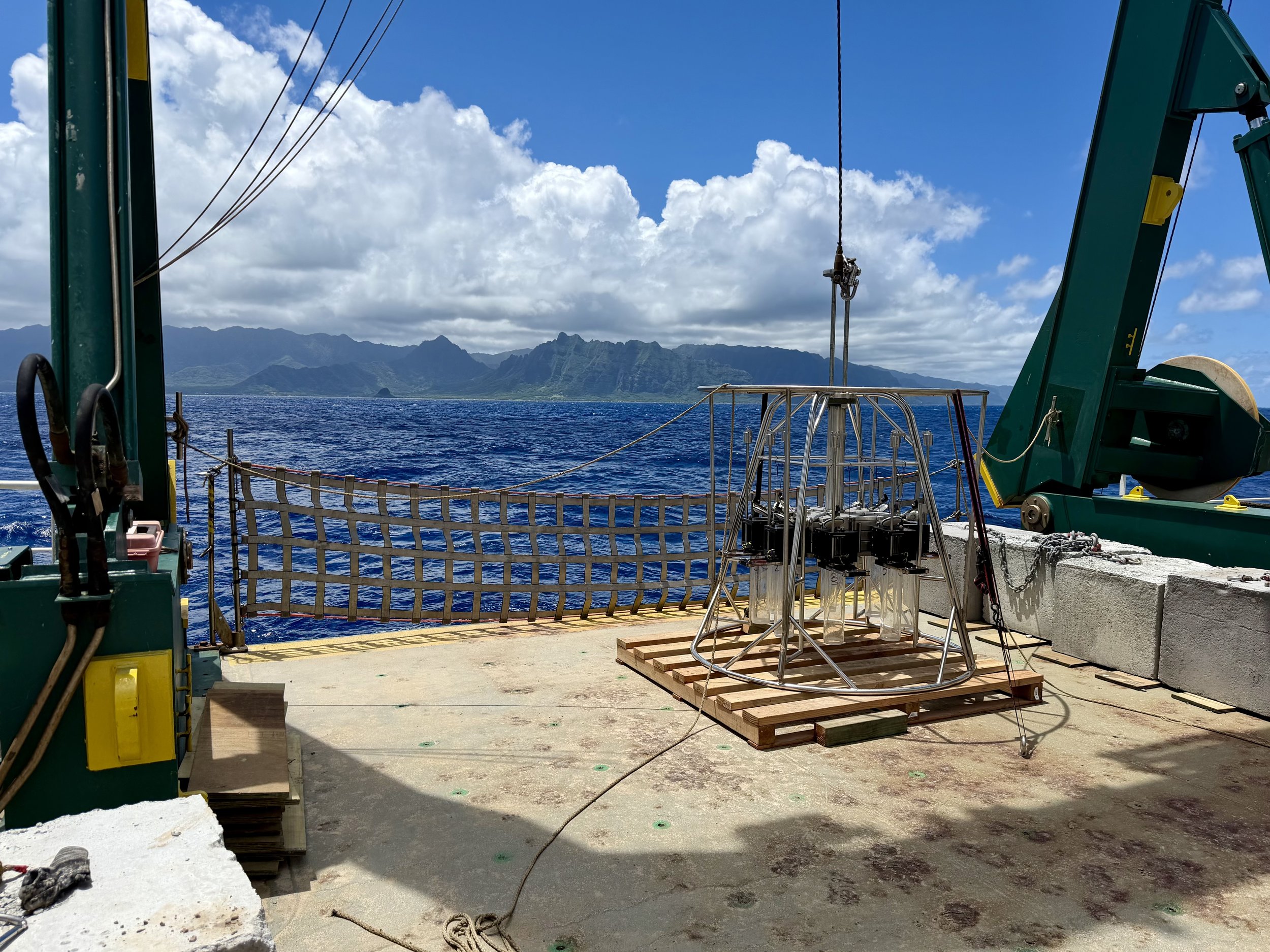
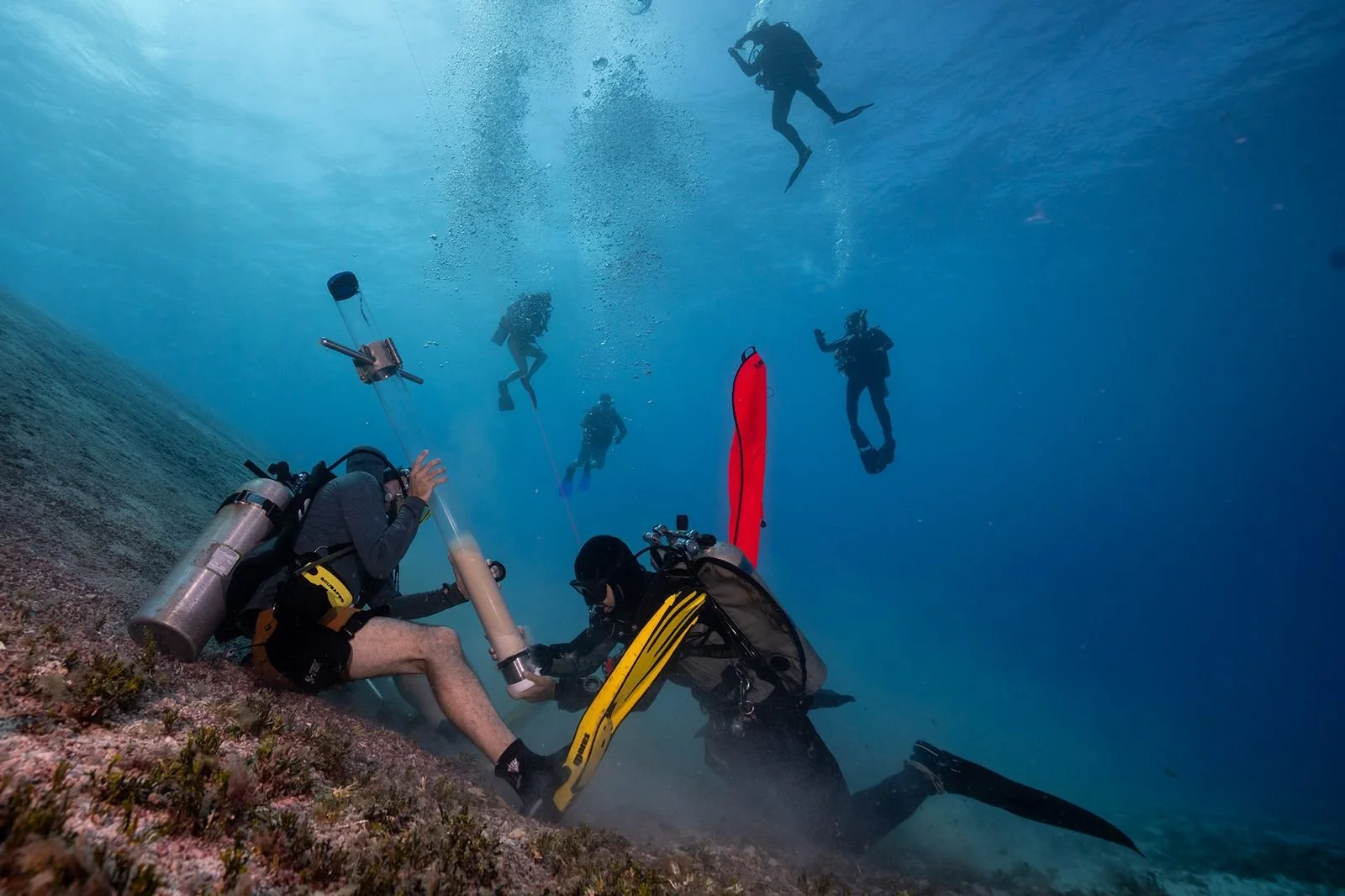
To do this, I conduct ocean-going research to collect fossil records that can link short-term ecological processes to longer-term patterns found in the geologic record. Specifically, I collect marine sediment cores that preserve microfossils at 1-100 year resolution yet span across several millennia, as these “intermediate-timescale” records are key for understanding the Earth system in the anthropocene.
I am committed to developing purpose-driven research that supports marginalized communities, motivated by the practical need to effectively conserve and manage marine ecosystems for climate resilience. My research intersects with place-based and Indigenous science to co-produce outputs with local, state, and federal resource managers in my home islands of Hawai’i and across the Pacific region.
About Dr. Kahanamoku
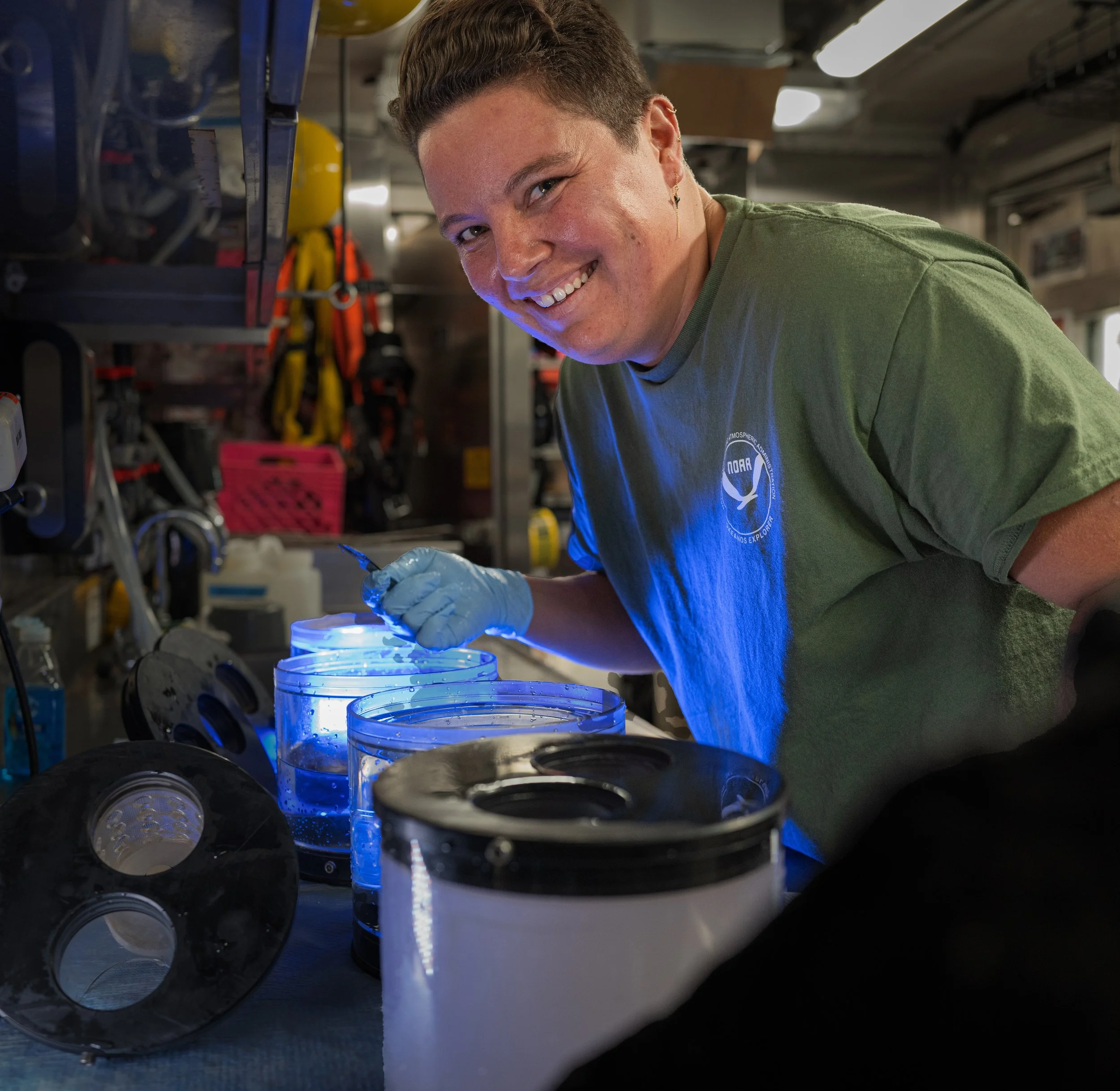
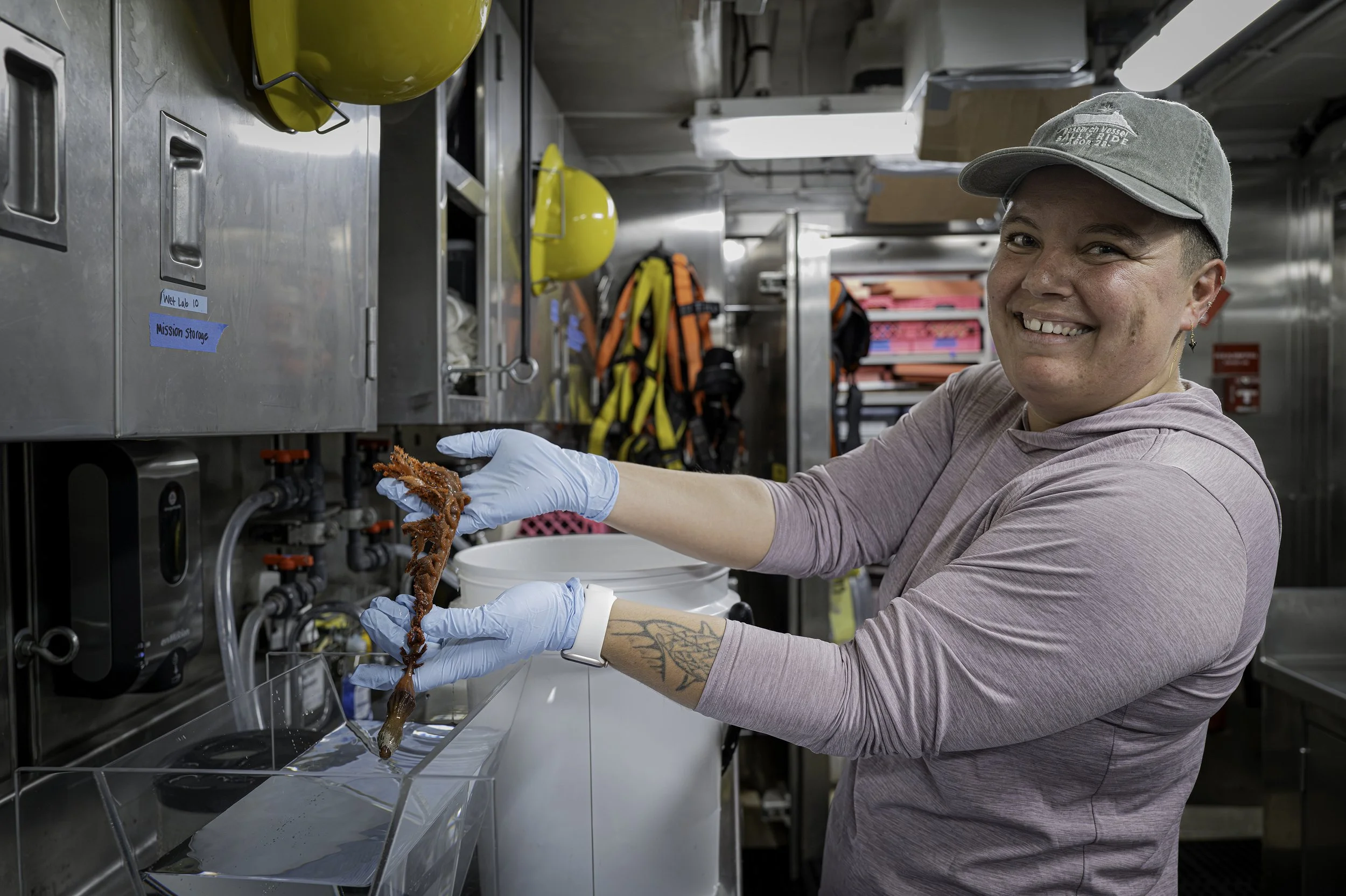
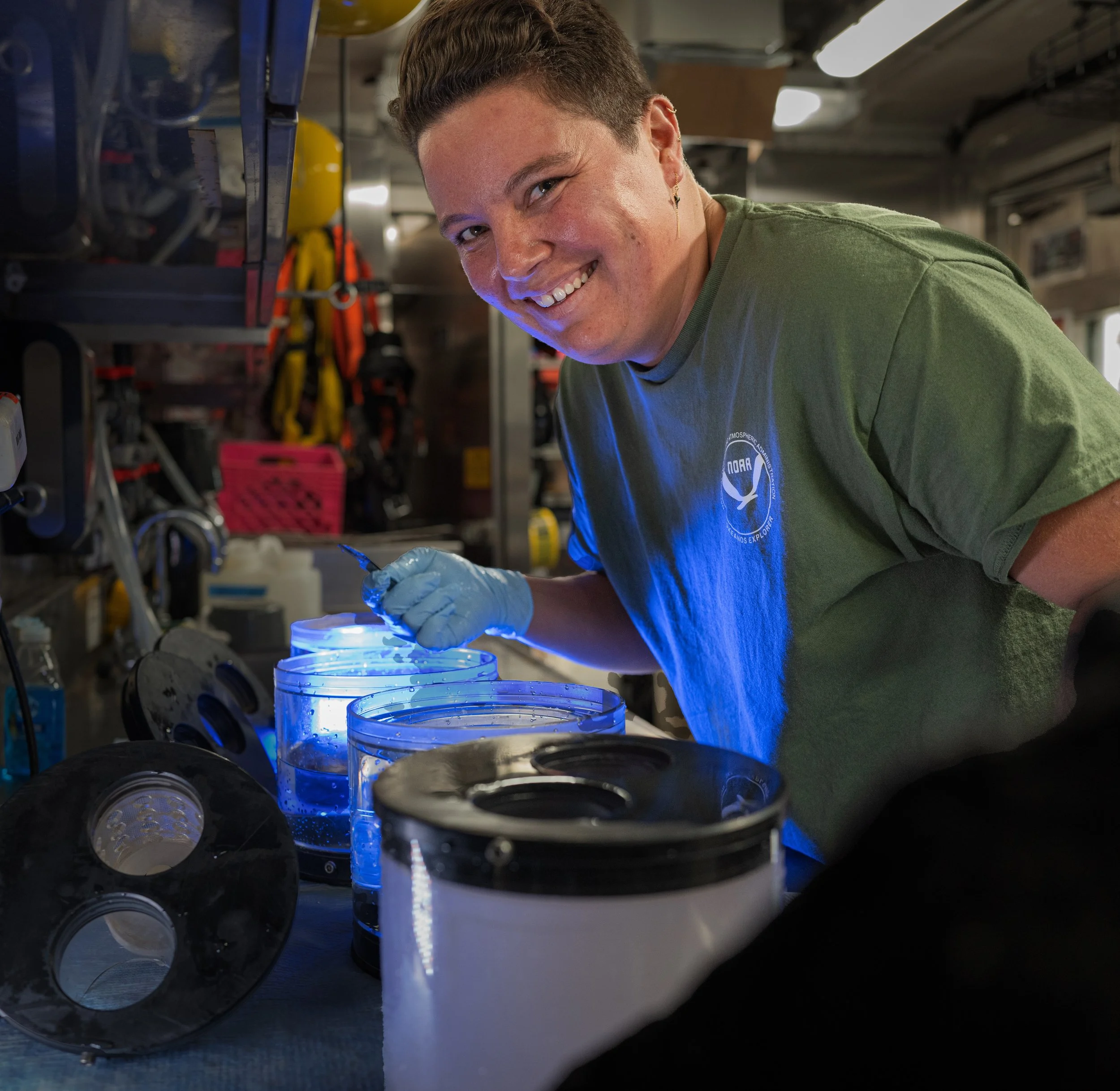
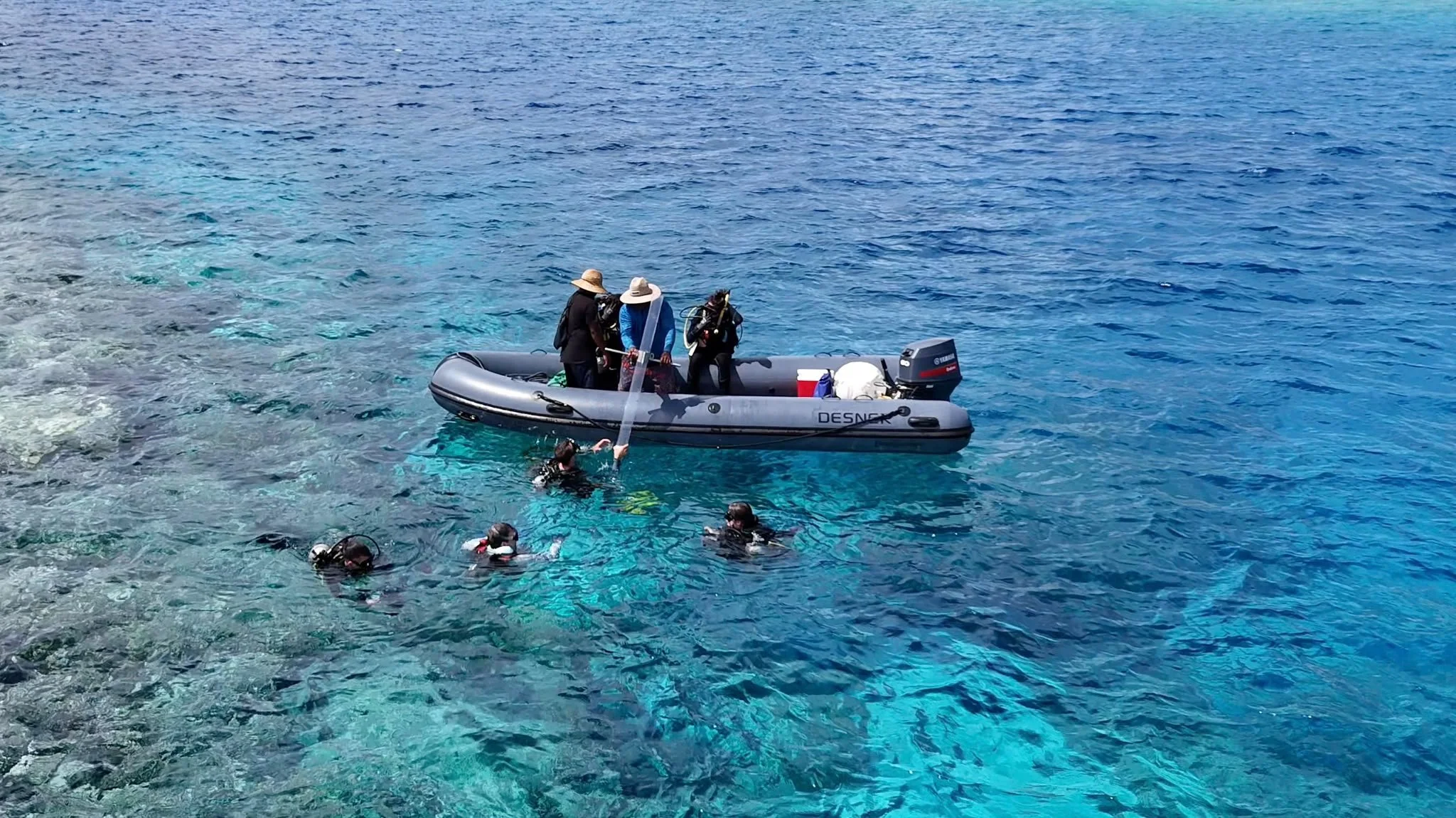
Sara Kahanamoku, PhD (they/them) is a marine paleoecologist who uses fossil records and from ocean sediments to study ecosystems under climate extremes. Raised in Haleʻiwa, Oʻahu, Hawaiʻi, Dr. Kahanamoku’s family connections to the ocean drive their scholarship and activism. They work across the Pacific — from the California Borderlands to the remote Pacific Islands to the deep sea — to develop fossil records that can enhance insights from long-term ocean observations and help to support climate-adapted conservation and marine resource management. As a Kanaka ʻŌiwi (Native Hawaiian) and Maʻohi (Indigenous Tahitian) scientist, Sara is committed to co-developing research that connects paleoecology and Indigenous science to inform long-term, holistic marine ecosystem management. To date, they have raised close to $70 million in external funding, and currently serve as co-PI on a five-year NOAA climate resilience award that brings together community, county, state, federal, and academic partners to implement climate adaptation and resilience programming in the Hawaiian Islands. Dr. Kahanamoku holds a BS in Geology & Geophysics from Yale University and a PhD in Integrative Biology from the University of California at Berkeley, and is currently an Assistant Researcher at the University of Hawaiʻi at Mānoa with faculty positions in the Hawaiʻi Sea Grant College Program and the Department of Earth Sciences.